


















ORACLE LIFT & SHIFT
Move your Oracle environment to the cloud—without introducing new risk
Moving Oracle to the cloud isn’t the hard part. Moving it without breaking what already works is. Most environments are layered, customized, and held together over years. We focus on control, not speed.

Four keys to a controlled, low-risk cloud migration
There’s a reason most lift & shift projects run into problems. They move too fast and clean things up after the move. We focus on four things that keep migrations predictable.
1. Understand What You Actually Have
Most environments don’t match their documentation.
We map dependencies and integrations before anything moves—so there are no surprises during cutover.
We map dependencies and integrations before anything moves—so there are no surprises during cutover.
2. Choose the Right Migration Path
Not every system needs the same approach.
We use what fits—RMAN, Data Guard, GoldenGate, ZDM, or cloud-native tools—without forcing unnecessary complexity.
We use what fits—RMAN, Data Guard, GoldenGate, ZDM, or cloud-native tools—without forcing unnecessary complexity.
3. Control the Cutover
Downtime and data loss are where migrations fail.
We design cutovers that are tested, controlled, and predictable—not last-minute events everyone is hoping goes right.
We design cutovers that are tested, controlled, and predictable—not last-minute events everyone is hoping goes right.
4. Stabilize Before You Optimize
Getting to the cloud isn’t the finish line.
We make sure everything runs consistently before tuning, scaling, or modernizing.
We make sure everything runs consistently before tuning, scaling, or modernizing.
THE AQIL DIFFERENCE
Enjoy the benefits of experience
Most providers focus on completing the migration.
The real risk shows up after it’s live—that’s where this work is judged.
Straight answers, upfront.
If the environment is going to be complex to move, that’s called out early.
No guessing. No vague timelines. Just a clear picture of what it takes.
No guessing. No vague timelines. Just a clear picture of what it takes.
No unnecessary complexity.
More tooling doesn’t equal a better outcome.
Only what’s needed gets introduced—nothing extra to manage later.
Only what’s needed gets introduced—nothing extra to manage later.
Clear ownership.
One team accountable from migration through stabilization.
Done means running right.
The job isn’t finished at cutover.
It’s finished when the environment is stable, predictable, and you’re comfortable running it day-to-day.
It’s finished when the environment is stable, predictable, and you’re comfortable running it day-to-day.
CUSTOMER STORY
From “We Can’t Risk Moving This” to Running Clean in the Cloud
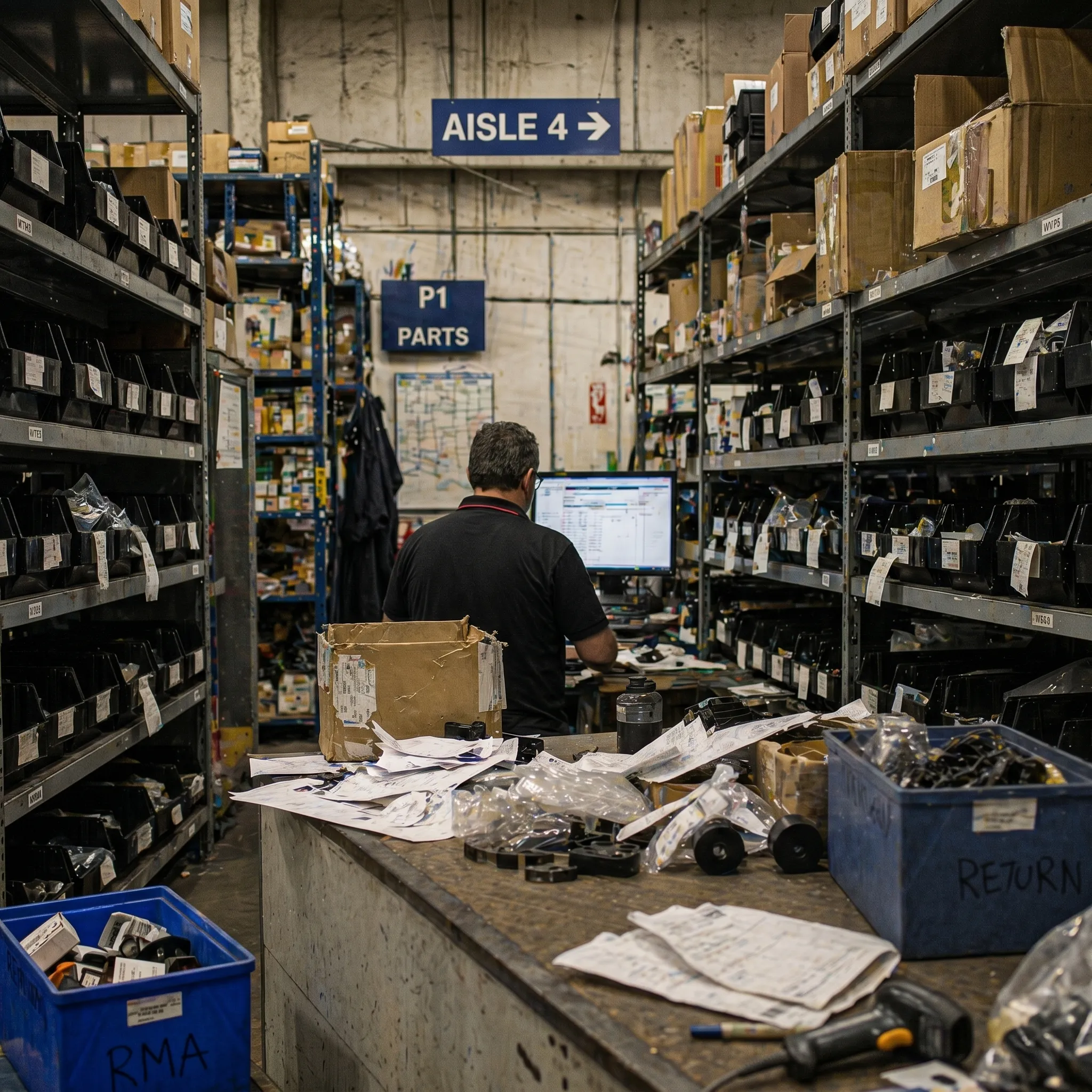
A manufacturing company was running a heavily customized Oracle environment on aging infrastructure.
- Documentation was incomplete
- Workarounds had built up over time
- Any change carried risk to the business
They needed to move, but couldn’t clearly define what the impact would be.
We mapped the environment as it actually existed and built a plan around that.
The migration was done in stages to control risk and avoid disruption.
After cutover, we stayed involved to stabilize performance and clean up issues that had been carried for years.
Result:
- More consistent performance
- Lower infrastructure overhead
- A system the team could support without hesitation
AQIL SERVICES
We’ve got your back at every step of your cloud journey
During the migration
Everything is controlled.
Workloads are moved in stages, validated as they go, and kept aligned to avoid surprises at cutover.
Workloads are moved in stages, validated as they go, and kept aligned to avoid surprises at cutover.
At cutover
No guesswork.
Switch-over is planned, tested, and executed with a clear rollback strategy if needed.
Switch-over is planned, tested, and executed with a clear rollback strategy if needed.
Right after go-live
This is where things get real.
We stay engaged to stabilize performance, resolve issues, and make sure everything runs the way it should.
We stay engaged to stabilize performance, resolve issues, and make sure everything runs the way it should.
Once it’s running clean
Then we optimize.
Performance tuning, cost alignment, and improvements happen on a stable foundation—not during the move.
Performance tuning, cost alignment, and improvements happen on a stable foundation—not during the move.